Classic and Modern Styles for Trim and Molding
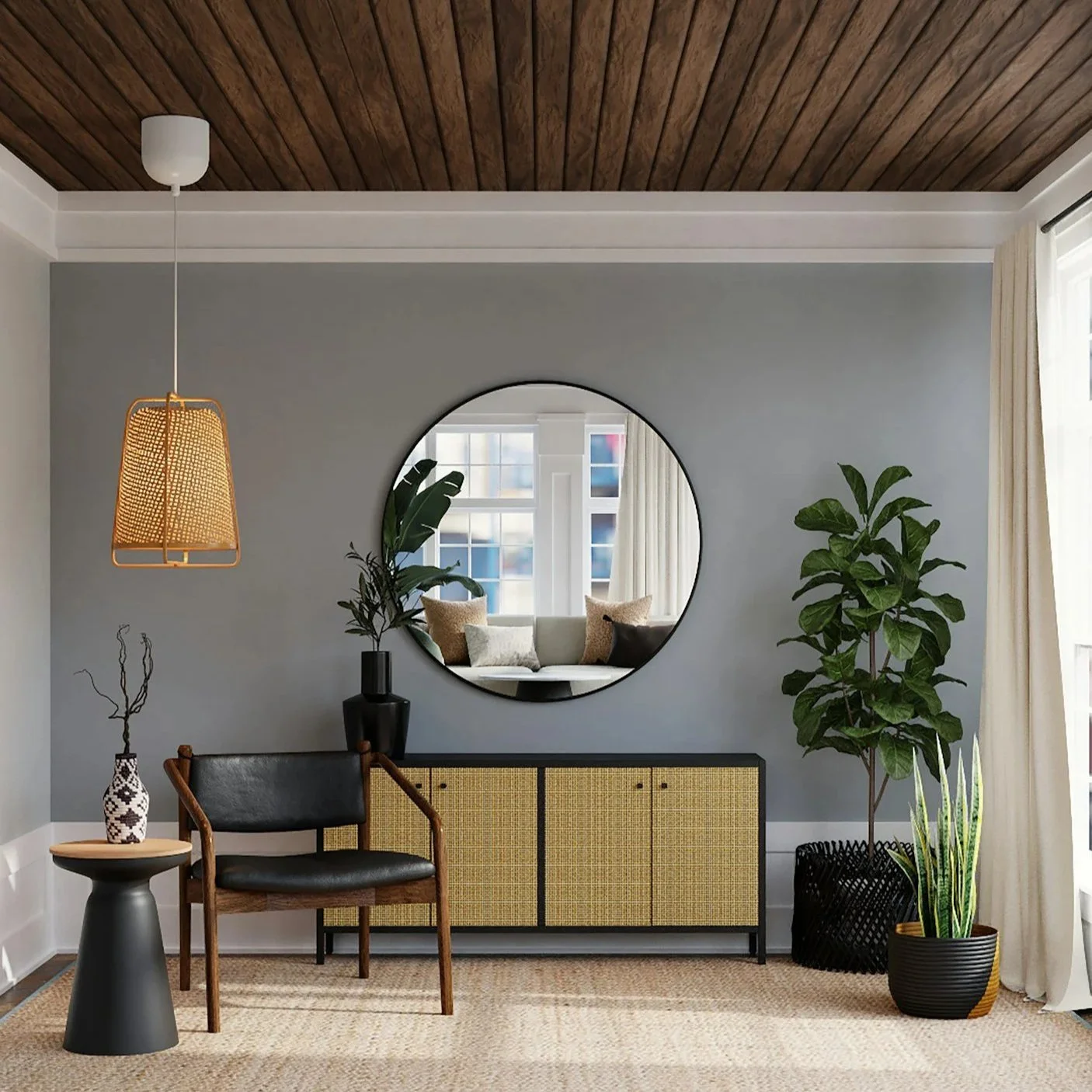
Professional services specializing in trim and molding know how to balance tradition and innovation, blending classic elegance with modern simplicity to suit every home’s vibe.
Trim and molding have a way of quietly commanding attention. They frame rooms, add texture, and inject personality without shouting. Professional services specializing in trim and molding know how to balance tradition and innovation, blending classic elegance with modern simplicity to suit every home’s vibe.
Defining Classic Trim and Molding
Classic trim draws from history, showcasing timeless patterns that have decorated homes for centuries. Crown moldings with intricate profiles, chair rails that protect walls while adding charm, and baseboards that ground a room all carry echoes of architectural heritage.
Craftsmanship matters. Skilled professionals replicate traditional designs faithfully, honoring original styles or gently adapting them to modern spaces. The ornate details on a Victorian crown molding or the layered elegance of Georgian wainscoting require precision that only experienced hands deliver.
White painted trim in classic style offers a clean, crisp look. It pairs beautifully with soft wall colors or rich hues, creating a refined contrast. Gloss or semi-gloss finishes highlight contours, making shadows dance along carved edges.
Historic homes often call for restoration experts who match original moldings or replicate missing pieces with authentic materials. Respecting proportions and scale maintains architectural integrity, helping preserve character while refreshing interiors.
Modern Trim and Molding Speak Simplicity
Modern trim steps away from heavy ornamentation and embraces minimalism. Clean lines, flat panels, and subtle profiles define this style. It complements open floor plans and contemporary décor with understated sophistication.
Rather than drawing attention, modern molding creates quiet boundaries. Sleek baseboards and simple casing around doors and windows frame rooms without distracting. Designers sometimes paint trim the same color as walls, letting spaces feel expansive and seamless.
Materials extend beyond traditional wood. Medium-density fiberboard (MDF) or engineered composites provide smooth surfaces perfect for sharp edges. These options resist warping and allow for custom profiles that meet modern demands.
Professional painters use satin or matte finishes on modern trim to avoid glare, supporting calm, relaxed environments. Crisp lines and flawless application bring polish and subtle grace to spaces with clean architectural lines.
Mixing Classic and Modern Elements with Skill
Combining classic and modern trim requires finesse. Professionals know how to blend ornate crown molding with sleek baseboards or use traditional wainscoting alongside contemporary paint colors. The goal is harmony, not clash.
Layering styles can create striking contrasts. A room might boast detailed ceiling moldings while walls feature minimalist panels. Different textures and depths add dimension without overwhelming.
Color choices influence blending. Classic white trim alongside muted tones can soften transitions. Dark-stained wood in classic profiles adds warmth to modern interiors, balancing cool palettes.
Expert installers measure precisely to maintain proper proportions. They adjust thickness and height to match architectural features and ceiling heights, preserving balance throughout rooms.
Choosing Materials for Longevity and Style
Wood remains a favorite for trim and molding due to its natural beauty and versatility. Hardwoods like oak or maple hold up well, while softwoods such as pine provide affordable options for painted finishes.
MDF offers smoothness ideal for modern designs, and resists cracking or shrinking. It’s a cost-effective choice for complex profiles that require uniformity.
PVC trim suits moist environments like bathrooms and kitchens. Its water resistance prevents swelling and deterioration, providing maintenance ease without sacrificing appearance.
Professionals advise on materials suited for each project’s demands, factoring in durability, style, and budget. Installing quality materials properly guarantees that trims and moldings look impeccable for years.
Painting and Finishing Trim and Molding
Flawless painting transforms trim from ordinary to extraordinary. Professionals prep surfaces carefully, sanding and priming to create perfect adhesion. Multiple coats deliver consistent color and durability.
Choosing the right paint sheen affects both look and maintenance. Semi-gloss shines brightly and withstands cleaning, ideal for busy hallways or kitchens. Matte finishes lend subtlety for modern trim but require gentle care.
Color trends evolve. Classic whites and creams never go out of style. Darker hues like charcoal or navy gain popularity for adding drama to molding, especially on modern profiles.
Staining wood trim reveals natural grain and enriches textures. Transparent and semi-transparent stains suit rustic or traditional settings, while opaque finishes offer solid color choices.
Professional painters blend technique and experience to avoid drips, brush marks, or uneven edges. Attention to detail highlights profiles, making moldings pop with depth and elegance.
Custom Profiles for Personal Style
Custom trim profiles customize spaces uniquely. Professionals work with clients to design shapes that reflect personality, architectural style, or historical period.
Modern homeowners may request angular, geometric moldings to echo contemporary art. Traditional enthusiasts prefer elaborate scrolls and layered edges. Some projects combine multiple profiles for dramatic effects.
Customization extends to scale, adjusting molding heights to complement ceiling dimensions and room proportions. Larger rooms may carry taller baseboards and grander crown moldings, while cozier spaces benefit from simpler, smaller trim.
Crafting custom profiles requires specialized tools and skilled carpentry. Professional teams cut, shape, and install with precision, turning visions into reality.
Trends Influencing Trim and Molding Choices
Interior design trends influence trim and molding selections without erasing classics. Minimalism pushes homeowners toward cleaner lines and less fuss. At the same time, maximalism invites bold trims with deep textures and layered details.
Color palettes shift toward earthy tones and muted shades. Natural wood finishes enjoy renewed interest alongside painted white trims. Two-tone trims, where baseboards contrast with crown molding, add playful dynamics.
Sustainable materials gain attention. Reclaimed wood trims combine history with eco-consciousness, offering warmth and character.
Experienced professionals stay updated on trends while advising on timeless choices that hold value and beauty through changing tastes.
Repair and Replacement of Aging Trim
Homes with older trim may show wear—cracks, chips, or peeling paint can detract from an otherwise charming room. Replacing or repairing trim calls for skill to match existing profiles and finishes.
Professionals assess damage and recommend repair versus replacement based on condition and budget. Small repairs might involve filling gaps or repainting, while larger damage needs new molding installation.
Matching old wood or paint colors requires a keen eye and expertise. Blending new with old so the transition appears seamless avoids jarring contrasts.
Regular maintenance and timely repairs preserve the character and function of trim and molding, prolonging their lifespan.
How Trim and Molding Impact Home Value
Well-crafted trim and molding add perceived value. Potential buyers notice quality finishes and architectural details that elevate interiors beyond plain boxes.
Trim frames and defines spaces, contributing to flow and cohesion. It highlights doors and windows, making rooms feel complete and polished.
Investing in professional installation and finishing delivers returns when selling homes. The craftsmanship signals care and attention, reassuring buyers about the overall property condition.
Hiring Experts for Trim and Molding Projects
Professional services bring efficiency, expertise, and quality to trim and molding projects. Skilled carpenters cut and install moldings to exact specifications. Experienced painters handle delicate profiles with care.
Hiring experts reduces frustration, prevents costly mistakes, and achieves results that delight. Professionals work with homeowners to select designs and materials aligned with vision and budget.
Timelines stay on track, and cleanup after installation leaves spaces move-in ready. The difference between amateur and professional outcomes shows in every edge and corner.
Whether refreshing old trim, adding new molding, or blending classic with modern styles, professionals turn architectural details into artful statements that shape the atmosphere of any home.
Every line and curve of trim and molding plays a role in storytelling. When expertly chosen, installed, and finished, these details elevate spaces from ordinary to exceptional — combining heritage, style, and craftsmanship in perfect harmony.
Enjoy unparalleled trim and molding, stucco repair, deck and porch staining, pool deck painting, and texture painting in Tampa, Hillsborough, and Pinellas County from the seasoned licensed professionals at Mark’s Painting. Our aim is to deliver a beautiful, finished product and an excellent customer service experience. Call us to enjoy personalized services at competitive prices.
