Preserving Paver Beauty with Professional Sealing
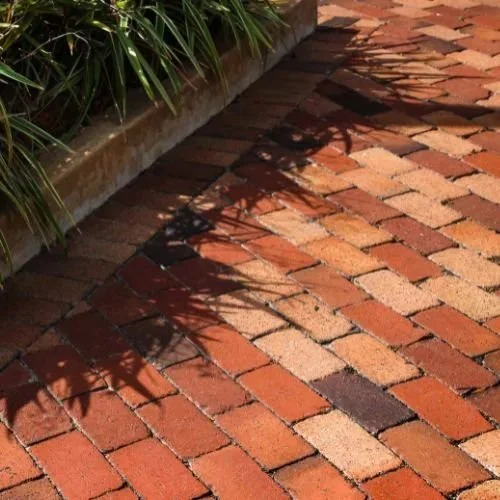
Between rainstorms, sun exposure, foot traffic, and wandering garden gnomes, pavers endure more stress than they probably signed up for.
Pavers lend structure and style to walkways, patios, driveways, and pool decks, but their charm doesn’t last long without some professional backup. Between rainstorms, sun exposure, foot traffic, and wandering garden gnomes, pavers endure more stress than they probably signed up for. Left to the elements, those once-vibrant surfaces can fade, shift, crack, or sprout enough weeds to qualify as a nature preserve.
Professional paver sealing steps in like a well-dressed superhero—no cape necessary, just high-performance sealants and the know-how to apply them right.
Why Paver Sealing Matters More Than You Think
Pavers may look tough, but they’re surprisingly porous. They soak up moisture, dirt, and oils like a sponge with no boundaries. Without a sealed surface, moisture seeps into cracks and weak spots, leading to weed growth, algae stains, and freeze-thaw damage. Even the sun has its say, fading colors and dulling textures until your patio looks like it time-traveled from a sepia-toned photo.
Professional paver sealing locks in color, shields against stains, and adds a subtle sheen that screams “well-maintained” without actually yelling at anyone.
Color Retention Without Compromise
No one chooses pavers based on how they’ll look when faded and blotchy. Whether it’s earthy terracotta, sleek charcoal, or soft sand tones, that rich color deserves protection. Sealants provide a UV-resistant barrier that prevents sunlight from fading vibrant hues into boring beige.
Some sealers even bring out the natural depth in pavers, giving them a slightly darker, enhanced tone that looks refreshed without looking artificial. Think of it as the spa treatment pavers didn’t know they needed.
Barrier Against Stains and Spills
Life happens—often with drinks in hand and guests wearing shoes that have seen better days. From barbecue mishaps to oil drips from vehicles, pavers often bear the brunt of the mess. Sealed surfaces keep spills from hiding. Instead of soaking in and becoming permanent eyesores, unwanted substances sit on top, waiting patiently for a broom or hose to send them on their way.
Professionals use the right kind of sealer based on the paver material and the type of use the space gets. That keeps stain resistance from being just a wish on a product label.
Blocking Out the Weeds and Ants
Weeds growing between pavers seem to possess supernatural determination. They twist and climb their way through the tiniest openings like green ninjas. Ants? Even more ambitious. Without a sealed surface, those gaps between pavers become prime real estate for critters and creepers.
A professionally sealed paver surface tightens the space between joints and fills gaps with polymeric sand, hardening it so ants can’t tunnel and weeds can’t root. It doesn’t hurt that it looks a whole lot cleaner, too.
Preventing Water Damage in Style
Rainwater and puddles don’t just vanish into a magical dimension. They linger. They settle. And if pavers aren’t sealed, they worm their way into the base layer, destabilizing the surface and leading to shifting, heaving, and cracks.
Professionally applied sealers allow water to bead up and roll off rather than soak in. Some formulas are breathable, which means moisture already inside can still evaporate—like a one-way door for dampness. It's a subtle science with major results.
Adding a Professional Finish Without the Slip
Glossy finishes can look sleek and refined, but no one wants to moonwalk across their patio every time it rains. Professional-grade paver sealers come in a range of finishes—from natural matte to satin to wet-look gloss—and the right one depends on both aesthetic goals and safety requirements.
Pros know which product provides the desired finish while maintaining a surface that’s safe to walk on, whether in flip-flops or dress shoes.
Timing Is Everything with Paver Sealing
Sealing too soon after installation locks in moisture that hasn’t had time to escape. Waiting too long allows damage to begin before protection is in place. Professionals schedule sealing after pavers have cured but before the first signs of wear appear. They also know how to time sealing around weather forecasts, because applying a sealer the day before a thunderstorm is a recipe for a sticky, milky mess.
Sealing should be repeated every few years to keep up protection. Professionals can assess wear and recommend the right maintenance schedule so homeowners don’t need to guess when it’s time.
Cleaning Before Sealing: The Secret Ingredient
Applying sealer without a deep clean is like waxing a car after a mudslide. It might shine a little, but it’s trapping all the mess underneath. Professionals begin by pressure washing and degreasing to remove existing stains, algae, and dirt. They may also re-sand the joints and repair any shifting or loose pavers to restore a flat, stable surface.
Clean, prepped pavers allow sealers to bond properly. That’s the difference between a long-lasting finish and a do-over in six months.
Choosing the Right Sealer for the Job
One sealer does not suit all. Water-based sealers offer good breathability and ease of application, while solvent-based sealers deliver deeper color enhancement and greater stain resistance. Acrylic sealers create a glossy finish, while penetrating sealers focus on function without changing appearance.
Professionals match sealer type to paver material and customer preferences to strike the right balance between aesthetics and protection. The wrong sealer can yellow, peel, or trap moisture, leading to costly removal and reapplication.
Protecting More Than Just the Pavers
Sealed paver areas contribute to the longevity of the overall landscaping design. Edging, furniture, and nearby structures all benefit from reduced dirt and water splash. Cleaner surfaces mean fewer tracked-in messes, less maintenance, and a better experience for everyone using the space.
Sealed surfaces also discourage mold growth in shady areas and limit salt damage in colder climates. That’s a lot of protection packed into one process.
When to Call in the Pros
Uneven wear, faded color, stubborn stains, or slippery surfaces all signal that it’s time to refresh the pavers with a professional touch. Whether restoring an older patio or preserving a brand-new installation, professional sealing makes a dramatic difference in both appearance and longevity.
Contractors bring the tools, products, and experience to prep and seal pavers the right way the first time—no shortcuts, no guessing games. Just clean lines, solid color, and reliable protection underfoot.
Longevity with a Side of Style
Professionally sealed pavers don’t just last longer—they look better doing it. Homeowners spend time and money selecting the perfect pattern and color, and that investment deserves protection. With a little expert help, outdoor living spaces retain their charm and function year after year.
In the battle between pavers and the elements, sealing swings the odds back in favor of beauty, structure, and peace of mind—without sacrificing personality or style.
Trust Mark’s Painting for superior roof painting, door painting, paver sealing, fence staining and painting solutions in Tampa, Hillsborough, and Pinellas County. These are specialized jobs that require skilled professionals. As licensed painting contractors, with over 25 years of experience, we use the highest quality materials and painting supplies. Call today to get a free estimate.
