Adding Depth and Character with Texture Painting Techniques
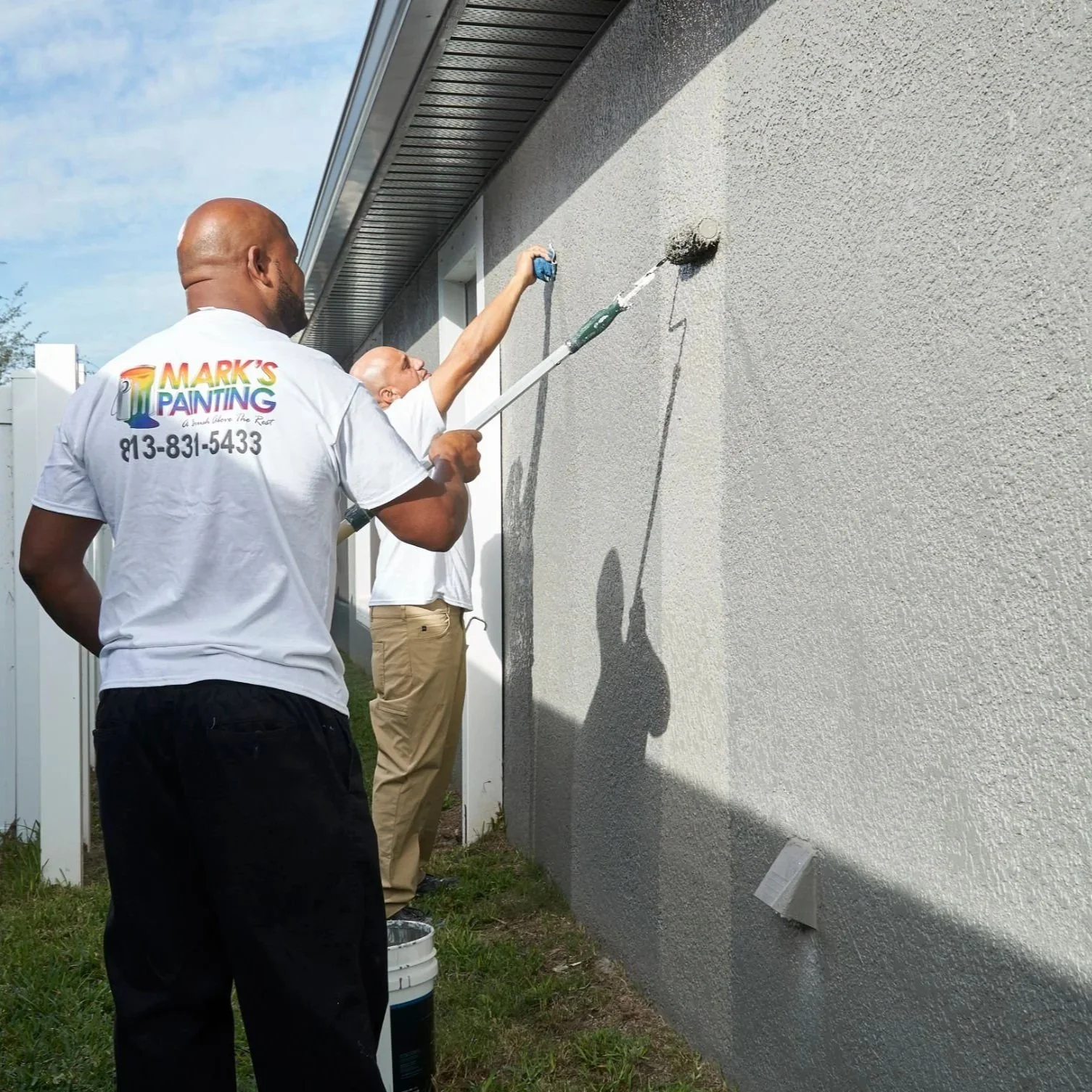
Instead of plain, one-dimensional finishes, textured walls add visual interest and tactile appeal, elevating the ambiance of any room.
Texture painting offers a unique way to transform flat walls into captivating surfaces full of depth and personality. Instead of plain, one-dimensional finishes, textured walls add visual interest and tactile appeal, elevating the ambiance of any room. Professional services use specialized materials and techniques to craft textured paint applications that go beyond ordinary, creating dynamic effects that play with light, shadow, and color.
Why Texture Painting Makes a Difference
Walls have a way of defining a room's mood, but when they lack character, the space tends to feel flat or uninspired. Texture painting breaks that monotony by adding dimension and complexity. It invites the eye to explore, catches light differently at different times of day, and introduces subtle or bold patterns that speak volumes about style.
Texture also masks minor wall imperfections such as cracks, dents, or uneven patches, offering an elegant solution to surfaces that might otherwise require extensive repairs. Through texture painting, dull walls transform into works of art with a personality all their own.
Materials Used for Texture Painting
Experts select from a variety of texture materials based on desired effects and the surface involved. Common options include acrylic texture paints, plaster, joint compounds, and specialty mediums mixed with pigments. Each material brings distinct advantages.
Acrylic texture paints offer versatility and flexibility, resisting cracking while allowing intricate patterns. Plaster lends a classic, artisanal touch with heavier relief and sculptural quality. Joint compounds provide a smooth yet dimensional finish perfect for subtle textures or more pronounced designs. Professional painters often customize blends, adding sand, mica flakes, or glass beads for additional tactile effects or shimmer. These materials create finishes that feel as good as they look.
Popular Texture Painting Techniques
Different texture painting techniques bring varied moods and styles to rooms, from rustic charm to modern elegance. Popular approaches include knockdown, skip trowel, stippling, and combing. Knockdown uses a joint compound applied thickly then gently flattened with a drywall knife, creating a mottled surface with soft peaks and valleys. Skip troweling applies a thin coat of compound with sweeping motions, resulting in random patterns with a handcrafted feel.
Stippling involves using a brush or roller to tap compound onto the surface, forming raised dots or tiny peaks. Combing employs tools with teeth to drag through wet compound, producing linear or wavy patterns reminiscent of wood grain or fabric. These techniques allow endless creativity, with professionals tailoring texture styles to complement architectural elements and personal tastes.
How Texture Painting Enhances Interior Design
Texture plays a critical role in interior design by adding richness and dimension beyond paint color alone. Rooms with textured walls can feel cozier, more dynamic, or more sophisticated depending on the technique used.
In living rooms or dining areas, textured walls create focal points that spark conversation and draw attention. Bedrooms benefit from gentle, soft textures that promote relaxation while adding warmth. Even kitchens and bathrooms enjoy upgraded aesthetics, as textures interact beautifully with lighting and fixtures. Texture painting also harmonizes with other design elements such as wood trim, wallpaper, and artwork, providing a tactile backdrop that elevates the overall décor. A professional application confirms that the texture integrates seamlessly without overwhelming other features.
Choosing Colors to Complement Texture
The interplay between texture and color plays a huge role in the final effect. Light colors amplify texture by casting subtle shadows and highlights, making details pop. Darker colors can add mystery and depth, creating dramatic looks that anchor a space.
Metallic or pearlized paints layered over texture add shimmer and luxe appeal, perfect for accent walls or sophisticated rooms. Matte finishes emphasize the texture's tactile nature, encouraging touch and interaction. Professional painters understand how light, room size, and existing décor affect color perception on textured walls. Their expertise guides homeowners toward palettes that enhance texture without creating visual clutter or dullness.
Durability and Maintenance of Textured Walls
Textured walls require proper materials and techniques to stay durable over time. Professional texture painting uses flexible compounds and paints that resist cracking, peeling, or chipping even in high-traffic areas.
Cleaning textured walls differs from smooth surfaces, as grooves and raised areas collect dust and grime more easily. Gentle dusting, vacuuming with brush attachments, or light washing with mild soap keeps textures fresh without damaging finishes. Regular maintenance preserves the tactile beauty and prevents buildup that can obscure details. Expert teams also offer repair services to touch up worn or damaged areas, keeping textures looking flawless for years.
Why Professional Texture Painting Outshines DIY
Texture painting demands skill, patience, and a keen eye for detail. Professionals master mixing materials to the right consistency, applying compounds evenly, and shaping patterns with precision tools. They troubleshoot challenges such as uneven surfaces, drying times, and environmental factors, such as humidity, that influence results.
DIY attempts often lead to inconsistent textures, patchy coverage, or irreversible mistakes. Professionals bring the right tools, quality materials, and refined techniques that deliver beautiful, uniform finishes from start to finish. Their experience with customized designs helps homeowners achieve the exact mood and style they envisioned, whether subtle elegance or bold statement walls. Hiring pros saves time, frustration, and expense in the long run.
Trends Driving Texture Painting Popularity
Texture painting has enjoyed a renaissance as homeowners seek distinctive interior finishes beyond flat paint or wallpaper. Contemporary styles embrace natural materials, tactile surfaces, and organic patterns that bring a room to life.
Designers pair textures with minimalist furnishings for balanced contrast or layer multiple texture types for maximalist looks full of personality. The demand for sustainable, eco-friendly compounds with low VOCs also fuels innovation in texture painting products. Modern techniques enable creative effects such as three-dimensional wall art or faux finishes that mimic stone, concrete, or fabric textures. Texture painting fits beautifully into eclectic, bohemian, rustic, and transitional interiors alike.
Texture Painting as a Tool for Storytelling
Walls tell stories about the people who live within them, and texture painting adds a chapter of its own. Rough, rugged textures might evoke a love of the outdoors or an industrial style. Smooth, flowing patterns hint at calm and serenity. Intricate designs showcase artistic flair and attention to detail.
Clients often choose textures that resonate with personal histories or cultural backgrounds, making rooms deeply meaningful. Professionals listen carefully to translate these stories into texture techniques that bring spaces to life in authentic ways. Texture painting moves beyond decoration, becoming an expression of identity and mood in every room it touches.
Adapting Texture Painting for Different Spaces
Every room brings unique challenges and opportunities for texture painting. High-moisture areas like bathrooms and kitchens require moisture-resistant materials that handle steam without damage. Living rooms or hallways with heavy foot traffic benefit from tougher finishes that withstand wear.
Small rooms can use subtle textures to add interest without overwhelming, while large spaces lend themselves to bold, dramatic patterns that create focal points. Ceiling textures add unexpected charm, drawing the eye upward and enhancing perceived height. Professional painters tailor texture techniques and materials to specific room conditions, lifestyle, and design goals, verifying each space shines on its own terms.
Enhancing Curb Appeal with Exterior Texture Painting
Texture painting extends beyond interiors. Exterior walls, porches, and accents gain curb appeal and protection through textured coatings. Stucco, brick, or wood surfaces acquire renewed character with textured paints that hide imperfections and resist weathering.
Specialized exterior texture paints contain additives that repel moisture, resist fading from sun exposure, and withstand temperature swings. Applied professionally, these coatings boost a home's visual appeal and market value while protecting structural surfaces. Texture painting bridges art and function outdoors as effectively as indoors.
The Art and Science of Texture Painting
Texture painting blends creativity with technical expertise. Professionals balance artistic vision with knowledge of materials, tools, and environmental factors. Successful projects depend on proper surface prep, accurate mixing ratios, strategic application, and drying management.
Skilled painters adjust techniques in real time, adapting to the substrate's quirks and client preferences. The final results showcase harmonious combinations of light, shadow, color, and pattern that enliven spaces in subtle or striking ways. Texture painting elevates walls from mere boundaries into immersive environments that inspire and delight.
Exploring Texture Painting for Your Home
Considering texture painting invites an exciting journey toward personalizing living spaces with unique finishes. Professional services guide clients through style options, color selection, and technique demonstrations, helping them envision how texture transforms rooms.
Investing in expert texture painting creates lasting beauty with a touch of whimsy and sophistication. Whether upgrading a single feature wall or reimagining an entire interior, texture painting adds depth, character, and a story worth telling on every surface.
Experience the magic of textured walls crafted by professionals who turn paint into art.
Enjoy unparalleled trim and molding, stucco repair, deck and porch staining, pool deck painting, and texture painting in Tampa, Hillsborough, and Pinellas County from the seasoned licensed professionals at Mark’s Painting. Our aim is to deliver a beautiful, finished product and an excellent customer service experience. Call us to enjoy personalized services at competitive prices.
