Boosting Property Value with Fence Staining and Painting
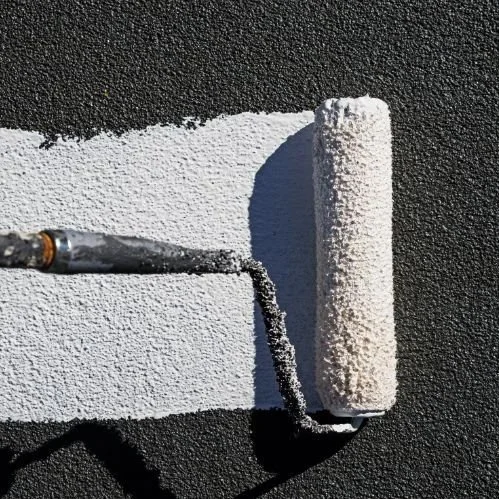
A freshly stained or painted fence tells the world someone cares about the details—and potential buyers or visitors take note.
Curb appeal may start at the front door, but the fence often delivers the first real impression. It frames the entire property, declares boundaries with style, and either whispers class or mumbles neglect. A freshly stained or painted fence tells the world someone cares about the details—and potential buyers or visitors take note. From a real estate perspective, a good-looking fence doesn't just create visual harmony; it speaks volumes about the rest of the home's condition.
Professional fence staining and painting play a quiet but powerful role in property value. It's not just about beauty. It's about durability, protection, and signaling long-term maintenance. While neighbors may offer praise, appraisers and buyers see a properly finished fence as part of the full investment package.
A Quick Path to Visual Upgrade
A worn-out fence turns even the best landscaping into a before-and-after photo. Wood that's faded, patchy, or peeling can make a home look older or less cared for than it really is. A uniform finish, whether deep stain or crisp paint, instantly elevates the space. It brings out the textures of the surrounding garden, frames the yard like a well-chosen picture frame, and sets a consistent tone for everything behind it.
Professionals approach fences as part of the home's architectural story. Whether a property leans rustic, modern, or somewhere in between, fence finishes can either harmonize or clash. Matching the stain to trim tones or siding creates a sense of cohesion that buyers and neighbors instantly notice. Even fences that fade into the background still contribute to the home's overall visual rhythm.
Protection That Goes Beyond the Surface
Wood fences battle the elements daily. Sun bleaches out color and dries out fibers. Rain seeps into tiny cracks. Wind carries dust and mold spores. Left untreated, fence boards warp, rot, and eventually crumble. Painting or staining offers more than cosmetic appeal—it helps defend the fence from weather-related damage and decay.
Stains soak into the wood, enhancing grain while forming a moisture-resistant barrier. Paint, on the other hand, sits on the surface like armor, sealing the wood and deflecting ultraviolet rays. Each has its place, and professionals recommend it based on fence condition, wood type, climate, and the homeowner's maintenance preferences.
Increase in Perceived Value
Homebuyers don't always walk around with checklists, but many carry strong gut reactions. A well-maintained fence, freshly painted or stained by professionals, signals care and pride in ownership. It may not shout, but it nudges that price point higher in potential buyers' minds. Even for those not planning to sell, boosting curb appeal through fence treatment can increase neighborhood respect—and possibly inspire a few competitive upgrades down the block.
Real estate professionals often highlight recently updated exteriors in listings. A fence freshly stained in a rich walnut hue or painted in a sophisticated slate gray adds photogenic appeal to those online property shots. In a world where home buyers swipe through listings faster than they flip TV channels, every polished visual counts.
Customization That Tells a Story
Fence colors don't have to be boring. While traditional wood tones still reign supreme, some homeowners are venturing into bold territory—charcoal stains, olive green paints, even navy blue. A touch of creativity makes a property stand out without veering into garish territory. Professionals can guide those color adventures without straying too far from good taste. They consider the landscape, the house's architecture, and even how shadows fall throughout the day. A great fence finish complements the environment while expressing individuality. Done right, it sparks just enough curiosity to make someone pause and admire.
The Right Finish for the Right Material
Not all fences are created equal. Some are pressure-treated pine, others are cedar or redwood, and still others may be composite or metal that's pretending to be wood. Each material responds differently to stains and paints, and professional painters adjust their methods accordingly. Raw wood needs a different prep routine than previously painted surfaces. Oil-based stains penetrate better on some woods, while water-based products perform better in humid climates. Professionals evaluate the fence's needs and recommend products that won't just look good in the short term—they'll last through many seasons of weather and wear.
Maintenance Made Easy
Freshly painted or stained fences don't just look better—they behave better, too. Treated surfaces resist mold, mildew, insect damage, and warping far more effectively than untreated wood. That means fewer repairs, less patchwork, and longer lifespan. Professional applications often involve sealing the surface with UV blockers or waterproofing formulas that repel rain and snow. Regular maintenance becomes far simpler: a rinse here, a touch-up there, but nothing like the total rehab of a neglected fence. Property owners save time and money, and the fence continues to serve as a strong, good-looking boundary.
The Professional Advantage
Painting a fence might seem straightforward until you consider the logistics. Miles of slats. Awkward angles. Plants in the way. The weather changes its mood halfway through a project. Professionals don't just show up with brushes—they arrive with game plans, quality materials, and the tools to handle whatever quirks a fence might throw at them. They also know how to prepare properly. That means scraping, sanding, pressure washing, and repairing before any stain or paint even touches the wood. Corners aren't cut. Tape lines are crisp. No drips or blotches left behind. And unlike rushed DIY jobs, a professional finish dries evenly and wears gracefully.
Avoiding Common Mistakes
Fence painting and staining can be surprisingly easy to mess up. Too much product and the wood can't breathe. Too little and the coverage fades within a season. Using interior-grade paint outside? That's a mistake waiting to peel. Professionals dodge these landmines because they've seen them all before. They also avoid the dreaded mismatched patches that happen when homeowners try to recoat a section without matching the original color formula. Nothing screams "I did this myself" like a two-tone fence that wasn't meant to be two-toned. A uniform finish, especially across a large surface like fencing, is one of those visual cues that makes a property feel polished and complete.
Timing Matters
Fence staining and painting have their sweet spots. Too cold, and the paint won't dry properly. Too hot, and it can blister before setting. A rainy forecast? That's a redo waiting to happen. Professionals schedule treatments when weather conditions support optimal adhesion and curing.
They also consider the fence's moisture content. Damp wood won't absorb stain properly and can cause bubbling under paint. Moisture meters, drying time, and even the direction of sun exposure all play into professional scheduling. It's not just about slapping on color—it's about timing it for long-term success.
Investment That Pays Off
Compared to major renovations, fence treatment is relatively affordable—and it punches above its weight when it comes to property value. A freshly finished fence can complement other exterior upgrades, such as new landscaping, a painted front door, or upgraded lighting. It adds polish, protects an essential part of the property, and suggests a homeowner who thinks ahead.
In neighborhoods where outdoor spaces matter, a beautiful fence may even influence how someone perceives the yard's size or usability. A uniform finish draws the eye outward, creating the illusion of a more expansive area. Paired with a tidy lawn or updated garden beds, the effect can be dramatic.
Good Neighbors Appreciate It Too
Fence upgrades don't just benefit the homeowner. Neighbors, especially those who share a property line, appreciate it when the view from their side improves as well. A nicely stained or painted fence contributes to overall neighborhood pride—and it might even inspire some friendly competition for who has the nicest boundary.
Professional painters often coordinate with neighbors on shared fences to find agreeable colors or timelines. That cooperation builds goodwill and avoids awkward arguments over who painted what and why it looks weird from the other side.
A Small Change With a Big Impact
While it may not carry the glamor of a kitchen remodel or the drama of a new roof, fence staining and painting quietly improve a property's value, charm, and longevity. With the right color, the right finish, and the right professional behind the brush, fences become more than barriers. They become visual assets—well-dressed sentinels that frame a home with style and purpose.
Trust Mark’s Painting for superior roof painting, door painting, paver sealing, fence staining and painting solutions in Tampa, Hillsborough, and Pinellas County. These are specialized jobs that require skilled professionals. As licensed painting contractors, with over 25 years of experience, we use the highest quality materials and painting supplies. Call today to get a free estimate.
