Durable Coatings for High-Traffic Commercial Spaces
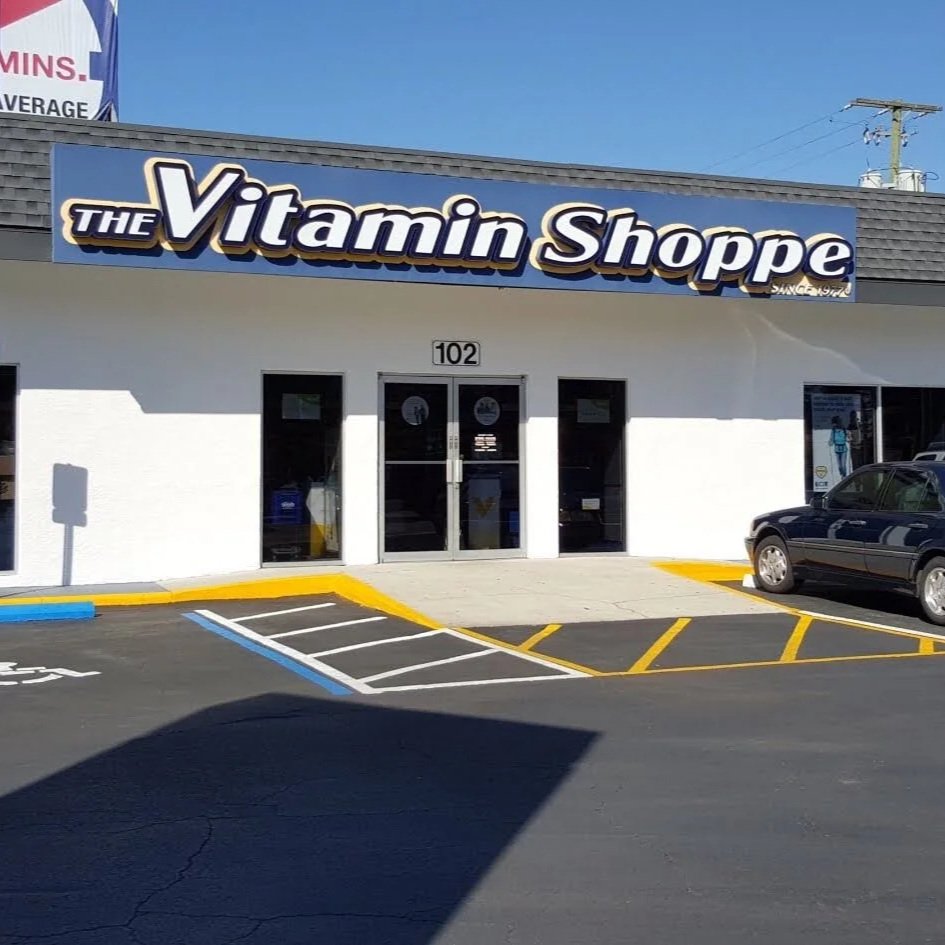
Commercial painting in spaces where people constantly move, touch, lean, and sometimes sprint calls for a coating that laughs in the face of chaos.
High-traffic spaces aren't for the faint of heart—or weak wall finishes. Footprints, chair scuffs, wheeled carts, mystery smudges, and the occasional coffee-fueled tantrum demand a paint strategy that's less gallery exhibit and more military-grade armor. Commercial painting in spaces where people constantly move, touch, lean, and sometimes sprint calls for a coating that laughs in the face of chaos.
Choosing the right paint and application process is less about personal taste and more about functional endurance. It's where art meets resilience and where good looks must be backed by long-term stamina.
Tough Paint Has Good Manners
Durability doesn't have to be loud or sticky. In a world where every surface needs to work overtime, the best coatings are polite multitaskers. They stay clean, resist damage, and quietly hold their ground without peeling, flaking, or shouting for attention.
In hallways, lobbies, and restrooms where traffic volume is somewhere between a mall on Black Friday and a high school between classes, high-performance paint systems are the stars. Acrylic enamels, urethanes, and specially formulated commercial latex paints are designed to hold their finish under relentless pressure.
Paint doesn't have to be bulletproof, but it should certainly be scuff-resistant and easy to wipe down without weeping. Professionals who handle commercial painting projects already know which formulas perform well in rough environments and which crumble under pressure.
The Gloss Game Is Not Just About Shine
Flat finishes have their place—mostly on ceilings or in very calm rooms that rarely see action. In high-traffic areas, higher-sheen finishes like satin, semi-gloss, or gloss offer more than a pretty shimmer. They pack an extra layer of resistance, giving them a wipeable surface that doesn't dull at the first hint of elbow grease.
In environments like healthcare, schools, restaurants, and warehouses, a glossy surface means fewer stains sticking around and fewer long-term regrets. Semi-gloss finishes on doors, trim, and handrails hold their shape through repeated cleanings and daily use.
Professionals choose finishes not just for how they look on day one, but also for how they'll behave on day two hundred, when someone decides to test their lunch on the wall.
Epoxy Floors Don't Play Around
Walls take their fair share of abuse, but floors? They take the full brunt. Between forklifts, high heels, furniture slides, and rubber-soled stampedes, commercial floors need something more than carpet and hope.
Enter epoxy floor coatings. Commercial painters often team up with floor coating specialists to apply heavy-duty epoxy systems that offer serious performance and style. These floors are chemical-, slip-, and impact-resistant, and occasionally hypnotizing in their glossy perfection.
Retail backrooms, industrial kitchens, loading docks, and even break rooms can benefit from an epoxy application. It's like the superhero cape for concrete, transforming dull slabs into polished, tough-as-nails surfaces that shrug off spills and stains like it's just another Tuesday.
Moisture Has Met Its Match
Damp environments are paint's sworn enemy. Bathrooms, laundry rooms, commercial kitchens, pool areas, and basements all require coatings that thrive in steamy, splashy conditions. Mold and mildew are never welcome guests, so the right paint choice has to send them packing.
High-traffic areas prone to moisture need specialty coatings with mildew-resistant properties and breathable barriers. Commercial painters know when to roll out those antimicrobial finishes that prevent mold from settling in and start redecorating.
It's not just about picking a mildew-resistant label off the shelf. It's about prepping the surface correctly, applying it in the right temperature and humidity, and using the appropriate number of coats to keep moisture on the outside looking in.
Color Can Be Durable Too
Durability often brings to mind gray floors and institutional whites, but commercial painting doesn't have to ditch personality in the name of practicality. There are vibrant, brand-aligned options that perform just as well as the neutral warriors.
Professionals help businesses make smart color choices without sacrificing longevity. Some pigments handle UV exposure and wear better than others, and the wrong shade could fade faster than a discount sofa in direct sunlight. Quality coatings in colorfast formulas allow hallways, offices, and customer-facing areas to pop without peeling.
Paint manufacturers often develop commercial-grade options in a rainbow of choices. With guidance from pros, brands can enjoy spaces that look bright, clean, and on-brand without frequent repainting.
Touch-Ups Without a Trace
One of the sneakiest parts of professional commercial painting lies in the touch-up strategy. It's easy to apply paint the first time, but revisiting the same color months later and matching it exactly? That's a whole different skillset.
Pros know how to catalog product types, batch numbers, sheen levels, and application methods so that future touch-ups don't stand out like a patch job. They're not just painting—they're documenting a long-term finish plan.
Having access to this detail allows businesses to refresh their space without needing a full-scale redo. And in high-traffic environments, touch-ups are a survival tactic, not a vanity project.
Safety Meets Style in Specialty Coatings
Paint isn't just decorative—it can also direct traffic, improve safety, and reduce risk. Commercial painters frequently incorporate specialty coatings designed for functionality as much as flair.
Anti-slip finishes reduce falls in entryways or industrial settings. Reflective or high-visibility paints can guide people safely through hallways, stairwells, or emergency exits. Fire-retardant coatings can be applied to critical surfaces to meet building code and add an extra layer of protection.
All of it looks clean and professional without screaming "safety first" in neon. The trick is integrating these features seamlessly, which commercial painting crews do with the skill of a ninja with a paint roller.
Damage Happens—Paint Shouldn't Flinch
Walls and trim surfaces suffer all sorts of indignities. Hand carts bumping corners. Chairs scraping the backs of conference room walls. Dirty fingers testing their theories on every surface between the snack room and the breakroom.
Commercial painters anticipate where damage is most likely to occur. They reinforce corners, baseboards, and high-touch zones with tougher finishes, sometimes even applying protective films or clear topcoats over the paint.
Planning isn't just good business—it's what prevents the snowball effect of one scuff turning into a peeling nightmare. When the finish has backbone, the wall keeps smiling, even under pressure.
Clean Is the New Beautiful
Paint in high-traffic spaces needs to hold up to regular cleaning. Flat paint may look smooth, but it often resists a sponge or disinfectant. A scrub-resistant satin or semi-gloss coating? Now that's a team player.
In commercial environments where surfaces are wiped down daily (or hourly), choosing coatings that cooperate with common cleaners matters. Whether it's school walls cleaned with kid-safe wipes or clinic walls treated with hospital-grade disinfectants, the finish has to hold up without streaking or chalking.
Professionals pick products that can keep up with the cleaning crew without sacrificing finish.
Timing Is Everything
Repainting a commercial space doesn't happen in a vacuum. Business still has to run, customers still walk through the door, and employees still need their desks. That's why timing matters.
Commercial painters work flexible schedules and tight timelines to minimize disruption. Whether it's overnight work, weekend touch-ups, or multi-phase projects, the game plan adjusts based on what keeps the business moving smoothly.
And they don't just paint and dash. There's planning, staging, and cleanup built into every phase, so staff doesn't walk into a surprise fume-fest the next morning. It's less of a circus act and more choreographed performance—with rollers.
A Long-Term Strategy Pays Off
Durable coatings in commercial spaces are more than a maintenance decision—they're a brand investment. Whether it's a doctor's office, retail boutique, warehouse, or daycare center, the walls and surfaces need to hold their appearance through wear, weather, and whatever people throw at them—literally or figuratively.
Commercial painters act as both artisans and strategists, creating finishes that work hard and look great. They understand what's trending, what's functional, and what will keep the place looking fresh long after the paint cans are sealed and stacked.
Paint is not just a coat. It's a commitment to the space, the brand, and every person walking through the door. With the right team and the right products, a commercial property isn't just durable—it's unforgettable.
Mark’s Painting offers residential painting, commercial painting, interior house painting, and exterior house painting for Tampa, Hillsborough, and Pinellas County residents. Our skilled and licensed painters can perform various jobs. We aim to deliver unparalleled results and an excellent customer experience. Book a free estimate today.
