Protecting Outdoor Wood with Quality Staining Solutions
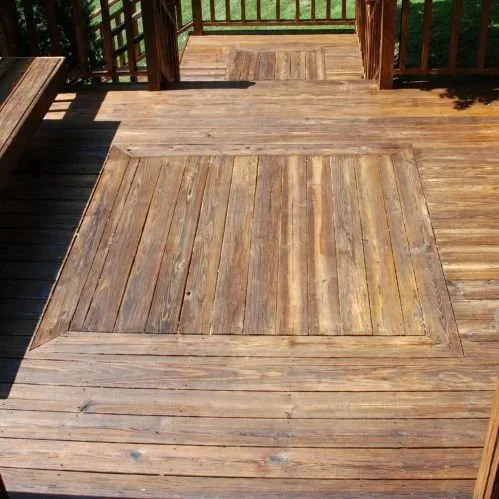
Without proper protection, wood surfaces begin to lose their charm, fading, cracking, or warping into a distant memory of their former selves.
Outdoor wood structures like decks, porches, fences, and pergolas face relentless challenges. Sunlight blasts from above, rain drenches from all sides, and temperature swings make wood expand and contract like an eager accordion player. Without proper protection, wood surfaces begin to lose their charm, fading, cracking, or warping into a distant memory of their former selves. Professional deck and porch staining services specialize in safeguarding these outdoor features with expert care and quality products.
Why Staining Matters for Outdoor Wood
Wood loves to show off its natural beauty, but it can be a bit shy when facing the elements. Unprotected wood can absorb moisture, leading to swelling and rot. UV rays from the sun break down wood fibers, causing dullness and discoloration. Seasonal changes force wood to expand and contract, increasing the chance of splits and cracks. Staining acts as a tough shield, repelling moisture while allowing the wood to breathe.
Unlike paint, which creates a solid barrier on top of wood, stains penetrate deeply to strengthen fibers from within. They form a protective layer that blocks out harmful UV rays, slows water absorption, and helps maintain wood’s flexibility. A good stain keeps wood looking fresh and vibrant for years, reducing maintenance hassles and costly repairs.
Professional staining goes beyond simple application. Experts assess the wood’s condition, select the ideal stain type and color, and meticulously prepare the surfaces. Proper surface preparation involves cleaning away dirt, mold, and old finishes so the stain bonds perfectly. Skilled staining contractors apply coats evenly, controlling penetration and preventing blotches or streaks.
Types of Stains for Decks and Porches
Choosing the right stain can feel like walking into an ice cream shop with too many flavors to pick from. Transparent, semi-transparent, and solid stains each offer unique benefits, depending on the project’s needs. Transparent stains highlight wood’s natural grain and color while providing basic protection. They suit new, high-quality wood with few imperfections. For decks and porches aiming for a natural, organic look, transparent stains keep things simple and elegant.
Semi-transparent stains provide a bit more color and hide minor imperfections without completely covering the wood grain. These stains balance aesthetics with durability, offering vibrant shades that complement outdoor surroundings. They’re popular for decks that want to keep a woodsy feel but need more protection from sun and moisture.
Solid stains act almost like a paint, masking the wood’s surface with rich color and robust coverage. They provide maximum protection against UV damage and moisture infiltration. Solid stains suit older or weathered wood where grain isn’t the focal point. They’re great for porches that serve as outdoor living rooms, inviting family and friends to relax in style.
Material quality plays a big role in how stains perform over time. Premium stains contain UV blockers, mildewcides, and water repellents to enhance longevity. Professionals can match stain chemistry to local climate factors, such as humidity or intense sunlight, tailoring solutions for optimal results.
Preparing Wood Surfaces Before Staining
Preparation can make or break the staining project. Professional contractors start with thorough inspections to spot signs of damage, mildew, or previous coatings that could interfere with stain adhesion. Old paint or stain may require removal through power washing, chemical strippers, or sanding to create a clean slate.
Cleaning removes dirt, pollen, and algae that settle on outdoor wood. Pressure washing blasts away grime but demands a careful touch to avoid gouging or splintering. Hand scrubbing with specialized cleaners tackles stubborn spots and mildew growth without damaging the wood fibers.
Dry wood receives stain far better than wet surfaces. Professionals wait for ideal weather conditions with low humidity and moderate temperatures to maximize stain absorption and drying times. Timing is an art when working outdoors, balancing sun exposure, wind, and forecasted rain. Sanding rough or splintered boards smooths surfaces and opens wood pores to welcome the stain. Sanding also helps feather edges between bare wood and old finishes, preventing visible lines or patches.
Applying Stain for Lasting Protection and Beauty
Staining demands precision and technique. Brush application allows contractors to work the stain into crevices, grooves, and grain patterns. Spraying covers large areas quickly but often requires back-brushing to avoid drips and ensure even coverage.
Multiple thin coats outperform a single thick one. Thin coats penetrate deeply without pooling or peeling, resulting in durable, uniform finishes. Professionals carefully monitor drying times between coats to avoid trapping moisture beneath layers. Edges, corners, and end-grain wood soak up stain differently. Skilled applicators adjust methods to avoid over-saturation or bare spots, keeping color consistent across the deck or porch.
The color palette for deck and porch staining ranges from clear, natural hues to deep browns, rich reds, and even subtle grays. Color can highlight wood species’ unique character or coordinate with outdoor furniture and landscaping themes. Stains that include mildewcides help prevent fungal growth and keep surfaces looking fresher longer. Water-repellent additives help decks resist rain damage during storms and snow melts.
Maintaining Stained Wood for Longevity
A stained deck or porch does not vanish into a maintenance-free paradise, but professional advice can help homeowners extend the life of their investment. Regular inspections catch wear early, allowing timely touch-ups before problems escalate.
Cleaning decks annually removes dirt, pollen, and debris that wear away protective stains. Avoid harsh chemicals or high-pressure power washing, as they could strip stain layers.
Restaining frequency depends on factors such as sun exposure, foot traffic, and climate. On average, professional staining lasts three to five years. Touch up spots with fading or peeling before the entire surface loses its protection.
Seasonal weather changes may cause minor swelling or shrinking. Proper drainage and ventilation under decks help minimize moisture buildup, which accelerates wood degradation.
Hiring Experts to Handle Deck and Porch Staining
Professional staining services bring experience, tools, and knowledge to every project. They assess wood condition, select the best stain formulas, and carefully prepare surfaces. Applying stain evenly while avoiding drips, streaks, or missed spots takes practice and skill.
Expert contractors work efficiently, minimizing downtime for homeowners eager to enjoy their outdoor spaces. They also manage cleanups, dispose of old finishes responsibly, and leave yards tidy.
A professional touch reveals the wood’s natural beauty, enhances curb appeal, and lengthens the lifespan of decks and porches. The investment in quality staining pays off with durable, attractive outdoor living areas that withstand sun, rain, and the test of time.
Outdoor wood deserves protection that works as hard as it looks good. Quality staining solutions deliver vibrant color, rich texture, and reliable defense against nature’s elements. Trusting trained professionals to handle the job transforms decks and porches into welcoming extensions of home life that endure for years to come.
Enjoy unparalleled trim and molding, stucco repair, deck and porch staining, pool deck painting, and texture painting in Tampa, Hillsborough, and Pinellas County from the seasoned licensed professionals at Mark’s Painting. Our aim is to deliver a beautiful, finished product and an excellent customer service experience. Call us to enjoy personalized services at competitive prices.
