Repairing Cracks and Holes for Seamless Finishes
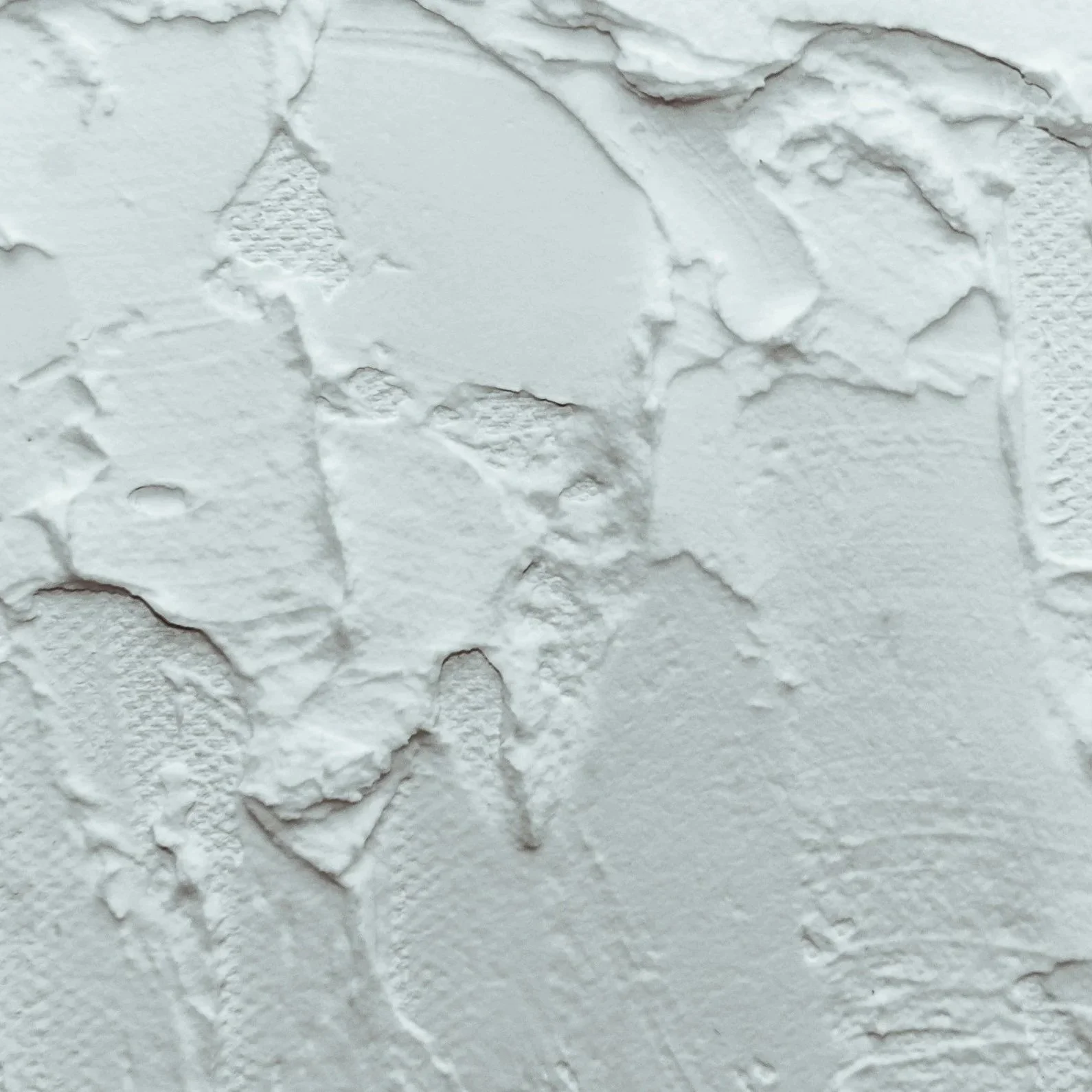
Drywall and plaster may look similar at first glance, but they speak two different construction languages. Repairing them takes more than a bucket of joint compound and a hopeful attitude.
Cracks and holes in walls are like bad hair days—noticeable, frustrating, and usually showing up at the worst possible time. Whether they're caused by moving furniture, foundation shifts, or the inexplicable urge to hang a 60-pound mirror without anchors, these wall blemishes aren't just cosmetic. Left alone, they can lead to further deterioration and even impact property value. Repairing them properly isn't just about patching things up—it's about restoring structure, style, and sanity.
Drywall and plaster may look similar at first glance, but they speak two different construction languages. Repairing them takes more than a bucket of joint compound and a hopeful attitude. That's where professional repair services step in—armed with tools, experience, and a dash of humor.
Understanding Wall Damage Before It Spreads
Not all cracks are created equal. A small hairline fracture above a doorframe might be your building settling into middle age, while a larger jagged split could be shouting, "Call a pro before things crumble." Holes range from tiny punctures caused by overzealous picture hanging to full-blown gaps left by plumbing access or wild indoor games of dodgeball. (Yes, it happens more than you'd think.)
Identifying the type of damage helps determine the best approach. Professionals look at depth, length, location, and the material involved. Drywall damage might crumble at the edges, while plaster tends to crack in spiderweb patterns. Each material has its quirks, and properly patching them up requires a nuanced approach.
Why Professional Repair Beats Quick Fixes
Slapping on some spackle and sanding it flat may work in theory, but in practice, that shortcut usually leaves behind uneven surfaces or ghost lines where the patch was. Professional technicians take time to feather out the edges, match the texture, and finish everything so seamlessly that even your walls forget they were ever wounded.
Plaster, in particular, isn't for the faint of heart. It requires careful layering, patience during drying times, and a touch that's equal parts artist and technician. Trying to patch it yourself often leads to bubbling, cracking, or a surface texture that looks suspiciously like stucco. Professionals know how to mix the right base coats, apply them with trowels rather than putty knives, and achieve the buttery finish plaster is known for.
Common Causes Of Cracks And Holes
Some wall damage tells a story. Maybe it's the saga of a door swung too hard. Or the legend of a towel bar used as a chin-up bar. Regardless of the narrative, most cracks and holes trace back to a few culprits:
Foundation shifts that tug at wall seams and cause stress fractures.
Moisture intrusion that weakens plaster or drywall from behind.
Impact damage from furniture, doors, or overly enthusiastic kids.
Poor installation, with joints not taped or appropriately secured.
Settling in new construction that creates minor fractures over time.
Each of these calls for a slightly different repair strategy. Moisture-damaged drywall often needs to be cut out and replaced entirely. Structural cracks might need joint reinforcement. Knowing what's causing the problem keeps it from becoming a recurring guest star in your home's drama.
The Art Of Drywall Repair
Drywall, also known as gypsum board or sheetrock, is the peanut butter and jelly of modern wall construction—standard, dependable, and everywhere. Repairing it properly involves more than filling in the hole. It's about creating a finish so uniform that even your house painter can't tell where the repair begins.
Smaller holes and dents get filled, sanded, and blended with compound. Larger holes may require mesh patches, cut-outs, or replacement panels. The edges are key. Taping and feathering allow for a smooth transition, hiding the repair beneath layers of carefully applied compound. Once primed and painted, a well-executed drywall repair should disappear entirely. If it's still visible, someone took a shortcut.
Why Plaster Repairs Deserve Special Attention
Plaster is the elder statesman of wall finishes. It's thick, elegant, and known for lasting over a century—provided it isn't neglected. Cracks in plaster can be superficial or can indicate that the underlying lath (typically wood or metal) has detached. That distinction matters, and professionals know how to test for it without tearing down the wall.
Plaster repair involves applying bonding agents, embedding mesh or fiberglass tape where needed, and building up coats from base to finish. The result? A buttery-smooth surface that matches the existing texture, whether it's a flat finish or an ornate swirl pattern straight out of a Victorian parlor.
Where amateurs might skim over the cracks and call it a day, professionals blend the repair into the rest of the wall. There's no obvious patchwork, no mismatched textures, and no reason to keep the lights dimmed in embarrassment.
Seamless Finishes Start With Skill
The true sign of a successful wall repair is invisibility. Seamless finishes rely on blending skill, attention to detail, and respect for the materials. It's not just about fixing what's broken—it's about restoring a space's integrity.
Professionals prep the area properly. That means removing loose material, cleaning dust, and scoring the edges to allow bonding agents to grab. They also work in layers, building the repair gradually to avoid lumps and dips. Sanding is done with a light touch and a sharp eye, avoiding overworking the area. And when it's time to paint? Color-matching and texture blending are handled with the kind of finesse you'd expect from someone who's seen more walls than a museum curator.
Why Texture Matching Is The Cherry On Top
Repairing the hole is just one half of the job. The other half? Making the wall look like nothing ever happened. Matching the texture is where the artistry really shines. Knockdown, orange peel, slap brush—each style has its own rhythm, tools, and technique.
Texture isn't just visual—it's tactile. If your walls have a consistent finish, any mismatch will stick out like a tuxedo at a pool party. Professionals carry an arsenal of texture tools, sprayers, brushes, and knives to achieve a perfect finish. They test patches, adjust mixes, and often redo sections until the blend is so good that not even daylight can betray the repair.
The Role Of Primer And Paint In Disguise
After the structural and aesthetic work is done, the final act is a fresh coat of primer and paint. Primer seals the repaired area, creating a uniform surface that helps the topcoat adhere evenly. Skipping primer often leads to flashing—those shiny or dull spots that make even a perfect repair look off.
Paint color matching can be surprisingly tricky. Aging, sunlight, and the original application method can all influence how paint looks over time. Professionals often blend paint out to the nearest natural stopping point—a corner or trim line—to avoid visible boundaries. The result is a wall that looks original, cohesive, and beautifully boring in the best possible way.
When Repairs Reveal Bigger Problems
Sometimes a simple repair uncovers a bigger issue. A crack might reveal termite damage behind the wall. A hole might lead to evidence of old water leaks. These surprises aren't fun, but catching them early can prevent costly renovations down the line.
Experienced repair teams know what to look for and how to address it. They won't just patch over a problem—they'll recommend the appropriate fix and help coordinate with other specialists if needed. It's not just about putting a bandage on the wall; it's about healing what's underneath.
Keeping Walls In Top Shape Moving Forward
Once repairs are complete, it's tempting to sigh with relief and forget all about it. But walls, like everything else, need a little love now and then. Addressing minor dings before they grow into full-blown holes saves time and money. And checking high-risk areas—around windows, doors, and baseboards—can help spot issues before they turn into wall-wide disasters.
Professional services often include follow-up inspections or maintenance visits to catch any signs of shifting, moisture, or wear. It's like having a personal trainer for your walls—minus the sweat and motivational yelling.
Wall repairs don't have to be dramatic, messy, or drawn-out. With the right team, even major damage becomes just another day at the office. Or in the hallway. Or behind the guest room door. Wherever it happens, seamless finishes are always within reach when you leave it to the pros.
Mark’s Painting, serving Tampa, Hillsborough, and Pinellas County, has a team of seasoned painters for pressure washing, drywall and plaster, popcorn ceiling removal, cabinet painting, and kitchen painting. We have over 25 years of professional painting experience, offering personalized solutions at reasonable prices. Get unmatched quality services for your home or business.
