Best Time of Year to Paint a House Exterior in a Rainy Climate
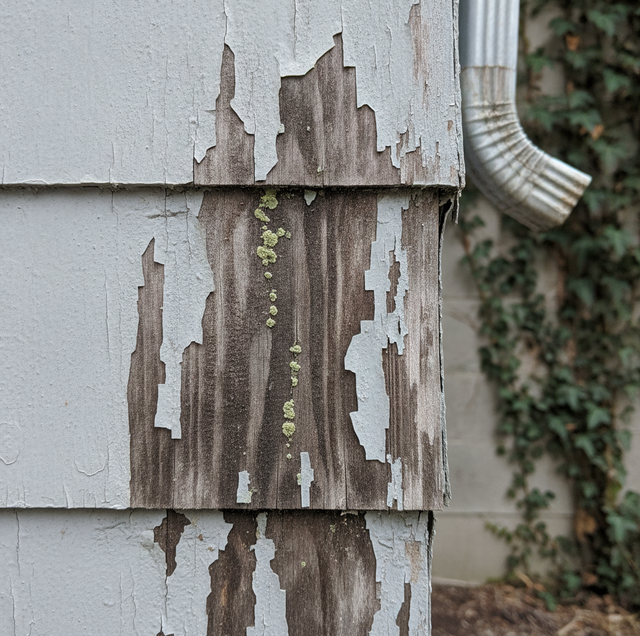
You are ready to repaint the outside of your house, and then you look at the forecast: humidity in the muggy range and a pop-up storm most afternoons. In a rainy, humid climate, timing an exterior paint job is not a minor detail; it is the difference between a finish that lasts years and one that blisters and peels within months. Paint is picky about the weather it dries in, and here, the weather does not always cooperate.
The good news is that the conditions paint actually needs are specific and knowable, so you can aim for the windows that give a lasting finish rather than fighting the ones that ruin it.
Paint Cares About Three Things
Exterior paint needs the right conditions to cure properly, and three of them matter most. The temperature has to be within a workable range, generally around 50 to 85 degrees, so the paint forms its film properly rather than drying too fast or too slow. Humidity has to be moderate, ideally under about 70 percent, because high humidity slows drying and keeps moisture in the film, which leads to blistering, poor adhesion, and a longer wait between coats. And the surface has to be dry and stay dry, which means no rain during application and enough time after for the paint to cure before the next shower. Miss any of these, and the finish suffers, no matter how good the paint or the prep.
Aim for the Drier, Milder Stretches
In a climate defined by heat, humidity, and frequent rain, the best time to paint is the stretch of the year that is driest and mildest, with the most stable, lower-humidity conditions and the fewest storms. The muggiest, stormiest part of the year is the hardest window to get a lasting exterior finish, because the humidity slows drying and the afternoon rains threaten fresh paint. The cooler, drier months, when humidity settles, and rain is less constant, give paint the best chance to dry and cure as it needs to. The goal is to align the job with the season that offers the longest stretch of dry, moderate days, rather than forcing it during the wettest stretch.
| Condition | What paint needs |
|---|---|
| Temperature | Roughly 50–85°F for proper film formation |
| Humidity | Under about 70% for good drying and adhesion |
| Rain | None during application, dry cure time after |
| Time of day | Avoid painting in direct midday heat or evening damp |
Timing the Day, Not Just the Season
Even in the right season, the time of day matters in a humid climate. Painting in the direct heat of midday can make the paint dry too fast and skin over before it bonds, while painting too late leaves fresh paint exposed to the heavy evening dampness and dew that settles in. And in a place known for afternoon storms, starting early enough that the paint has hours to set before the daily rain arrives is its own skill. A good exterior job here is planned around both the calendar and the clock, working the dry morning hours and watching the radar, so the paint gets the dry window it needs to grab hold.
Why the Local Climate Demands Extra Care
Where intense sun, heat, and humidity all pile on, exterior paint faces a harder life and a narrower window to go on well. The same high humidity that lingers here slows drying and can cause blistering and mildew if paint is applied under the wrong conditions, and the frequent rain means fresh paint can be washed or spoiled before it cures. That is why timing matters more in a humid or rainy climate than in a dry, mild one, and why the prep and product have to match the climate too: surfaces have to be fully dry before painting, and quality paints suited to heat and humidity hold up far better. Painting a house here is as much about reading the weather as it is about the brushwork, which is exactly why the timing is worth getting right.
Frequently Asked Questions
The driest, mildest stretch of the year, when humidity is lower and stable, and storms are least frequent, usually the cooler, drier months rather than the peak of the hot, rainy season. The practical test is not the calendar alone but the dew point: a good rule is to keep the surface temperature at least 5 degrees above the dew point during application and through the cure window, so moisture does not condense on the film. The muggiest, stormiest part of the year fails that test most days, which is why it is the hardest time to get a finish that lasts.
You can, but high humidity works against a good result. Above roughly 70 percent, humidity slows the paint's drying, traps moisture in the film, and leads to blistering, poor adhesion, and mildew. If painting during a humid season is unavoidable, it means working the driest hours, allowing extra dry time, and watching conditions closely. Lower humidity always gives a better, longer-lasting finish.
Generally, somewhere in the range of about 50 to 85 degrees, where the paint forms its film correctly. What matters most is the low end: standard latex paints specify a minimum surface temperature of around 50 degrees, and applying below that leaves the film unable to coalesce, so it remains weak and prone to peeling. Low-temperature formulas rated down to about 35 degrees exist for cool-season work, but they still need the surface, not just the air, to hold that temperature through the dry window. Too hot, especially in direct sun, and the paint skins over before it bonds, so the moderate middle of the range is safest.
It needs to be dry to the touch and ideally to have several hours of cure time before rain hits, and longer is better, since fresh paint that gets rained on can wash, streak, or fail to adhere. In a climate with daily afternoon storms, that means starting early enough for the paint to set before the rain arrives, which is a big reason timing the day matters as much as the season.
Often, it was applied in conditions that trapped moisture, high humidity, a damp surface, or rain too soon after painting, so the film never bonded and cured properly. Poor surface prep compounds it. In a humid, rainy climate, painting in the wrong conditions is a leading cause of early blistering and peeling, which is why timing and dry surfaces matter so much here.
It is worth timing an exterior job to the drier, milder part of the year when you can, because that gives the most reliable stretch of the dry, moderate conditions paint needs. But the day-to-day working window matters just as much as the season: the reliable stretch runs from after the morning dew has fully burned off the siding to a couple of hours before evening dew settles back in, which, in a humid climate, can be a fairly short window. A moisture meter reading on the siding before the first stroke confirms the surface is actually dry, since wood can read damp well after it looks dry. Work that window and the wetter season can still be handled well.
Let the Weather Set the Schedule
In a rainy, humid climate, the best time to paint a house exterior is the driest, mildest stretch of the year, and within it, the dry morning hours before the afternoon storms. Paint needs moderate temperature, humidity under about 70 percent, and a dry surface with dry cure time, and the muggy, stormy season fights all three. Time the job to the calendar and the clock, pair it with good prep and a quality paint suited to the heat and humidity, and the finish will last the way it should.
If you want your exterior paint job timed and done right for our climate, we plan around the weather so it lasts. Mark's Painting serves Tampa Bay and the surrounding areas. Licensed and insured. Call (813) 831-5433 for a free estimate.
