How Often Should You Repaint Stucco in a Humid Climate?
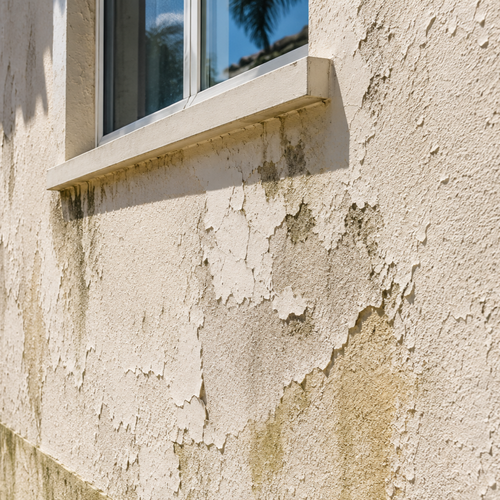
Quick Answer: Stucco typically needs repainting roughly every 5 to 10 years, but in a hot, humid climate it often trends toward the shorter end of that range, because intense sun, heat, moisture, and mildew are hard on exterior paint. The exact interval depends on the paint quality, sun exposure, the home's condition, and how well the previous job was done. Rather than going strictly by years, watch for the signs that repainting is due: fading color, chalking, peeling or cracking paint, mildew growth, and water stains. Using quality paint suited to the climate and addressing moisture issues helps the paint last longer. In humid, sunny conditions, staying ahead of repainting protects the stucco beneath.
Stucco is a durable, popular exterior finish, but its paint doesn't last forever — and in a hot, humid climate, it's constantly working against the elements. Knowing roughly how often to repaint, and the signs that tell you it's time, helps you keep your home looking good and the stucco protected. Here's what to expect when repainting stucco in intense sun and humid air.
The General Timeline
As a general guideline, stucco needs repainting roughly every 5 to 10 years. That's a broad range, because how long a paint job lasts depends on several factors. In a hot, humid climate, the interval often falls toward the shorter end, since the combination of intense sun, heat, moisture, and the mildew that humidity encourages is tougher on exterior paint than a mild climate. So while 5 to 10 years is the typical window, a stucco home in a demanding sunny, humid environment may need repainting closer to the shorter end of that range. Rather than treating it as a fixed schedule, it's better to watch the paint's condition.
What Affects How Often
Several factors determine where in that range your stucco falls. The quality of the paint matters — a high-quality exterior paint suited to the climate lasts longer than a cheaper one. Sun exposure plays a big role, since intense UV fades and breaks down paint, so the sunniest walls wear faster. The home's condition and any moisture issues affect it too, because moisture problems and the mildew they bring shorten paint life. And the quality of the previous paint job — proper surface preparation and application — strongly influences how long the new paint holds up. So a quality job with good paint on a sound, well-maintained home lasts longer, while cheap paint, heavy sun, or moisture problems shorten the interval.
| Factor | Longer interval | Shorter interval |
|---|---|---|
| Paint quality | High-quality, climate-suited | Cheaper, lower-grade |
| Sun exposure | Shaded or moderate | Intense, all-day sun |
| Moisture/mildew | Dry, well-maintained | Damp, mildew-prone |
| Previous job quality | Proper prep and application | Poor prep |
| Climate | Mild | Hot and humid |
Watch the Signs, Not Just the Calendar
Because the timeline varies, the smartest approach is to watch for the signs that repainting is due rather than going strictly by years. Several clear signs tell you the paint is reaching the end of its life: noticeable fading of the color, chalking (a powdery residue on the surface as the paint breaks down), peeling, flaking, or cracking paint, mildew or mold growth on the surface, and water stains or signs of moisture. When these appear, the paint is no longer protecting the stucco as it should, and it's time to repaint. Catching these signs lets you repaint at the right time — not so early that you're wasting a good coating, and not so late that the stucco beneath is exposed.
Check the sun-facing walls first, since they fade and break down fastest. If the color there has noticeably faded or you can rub a chalky residue off the surface, the paint is aging out — even if other walls still look okay. The most-exposed walls give you the earliest warning that repainting is coming due.
Why Repainting on Time Protects the Stucco
Repainting stucco isn't just cosmetic — the paint is a protective layer over the stucco, helping shield it from moisture and the elements. In a humid climate, especially, moisture protection matters, because letting the paint fail can allow moisture problems and mildew to take hold, and can leave the stucco more exposed to the elements. So repainting on time, when the signs appear, protects the home beneath, not just its appearance. Using quality paint suited to the hot, humid conditions, ensuring proper surface preparation, and addressing any moisture issues before painting all help the new job last and protect the stucco. A painting professional can assess your stucco's condition, tell you whether it's due for repainting, and use the right materials and prep for a lasting result in the climate. Staying on a sensible repainting rhythm is far less costly than letting the coating fail and dealing with moisture damage to the stucco itself, which is the real expense a timely repaint helps you avoid.
Frequently Asked Questions
Generally every 5 to 10 years, though in a hot, humid climate it often trends toward the shorter end of that range, because intense sun, heat, moisture, and mildew are hard on exterior paint. The exact interval depends on paint quality, sun exposure, the home's condition, and the quality of the previous job. Watching for the signs that repainting is due is more reliable than a fixed schedule.
Because the combination of intense sun, heat, moisture, and the mildew that humidity encourages is tougher on exterior paint than a mild climate. The sun fades and breaks down the paint, while moisture and mildew degrade it further. This demanding environment shortens the paint's life, so stucco in a hot, humid region often needs repainting closer to the shorter end of the typical range.
Look for noticeable color fading, chalking (a powdery residue as the paint breaks down), peeling, flaking, or cracking paint, mildew or mold growth, and water stains or signs of moisture. When these appear, the paint is no longer protecting the stucco as it should, and it's time to repaint. These signs are a more reliable guide than the calendar alone, since the timeline varies.
Quality paint suited to the climate, proper surface preparation, and good application are the main factors, along with addressing any moisture issues before painting. A high-quality coating applied to a well-prepared, sound surface holds up much better than cheap paint or a poorly prepped job. In a hot, humid climate, using the right materials and prep is especially important for the paint to last and protect the stucco.
No. The paint is a protective layer over the stucco, helping shield it from moisture and the elements. In a humid climate, moisture protection is important because letting the paint fail can allow moisture and mildew problems and leave the stucco more exposed. So repainting on time protects the home beneath, not just its appearance, which is why staying ahead of it matters.
It's better to repaint when the signs appear rather than waiting until it looks clearly bad, because by then the stucco may have been exposed, and moisture problems may have started. Catching the early signs — fading, chalking, mildew, peeling — lets you repaint at the right time to keep the stucco protected. Waiting too long can mean more prep work and potential stucco issues to address.
Watch the Signs to Time It Right
Stucco generally needs repainting every 5 to 10 years, but in a hot, humid climate, it often comes due sooner, as intense sun and moisture wear the paint faster. Rather than relying on the calendar, watch for fading, chalking, peeling, mildew, and water stains — the signs that the paint is no longer protecting the stucco. Repainting on time with quality, climate-suited paint protects the home beneath, so staying ahead of it pays off in a demanding climate.
Wondering if your stucco is due for repainting — Get it assessed and repainted with quality paint built for the heat and humidity. Mark's Painting serves Tampa Bay and surrounding areas. Licensed & Insured. Call (813) 831-5433.
