Refreshing Kitchens with Custom Cabinet Painting
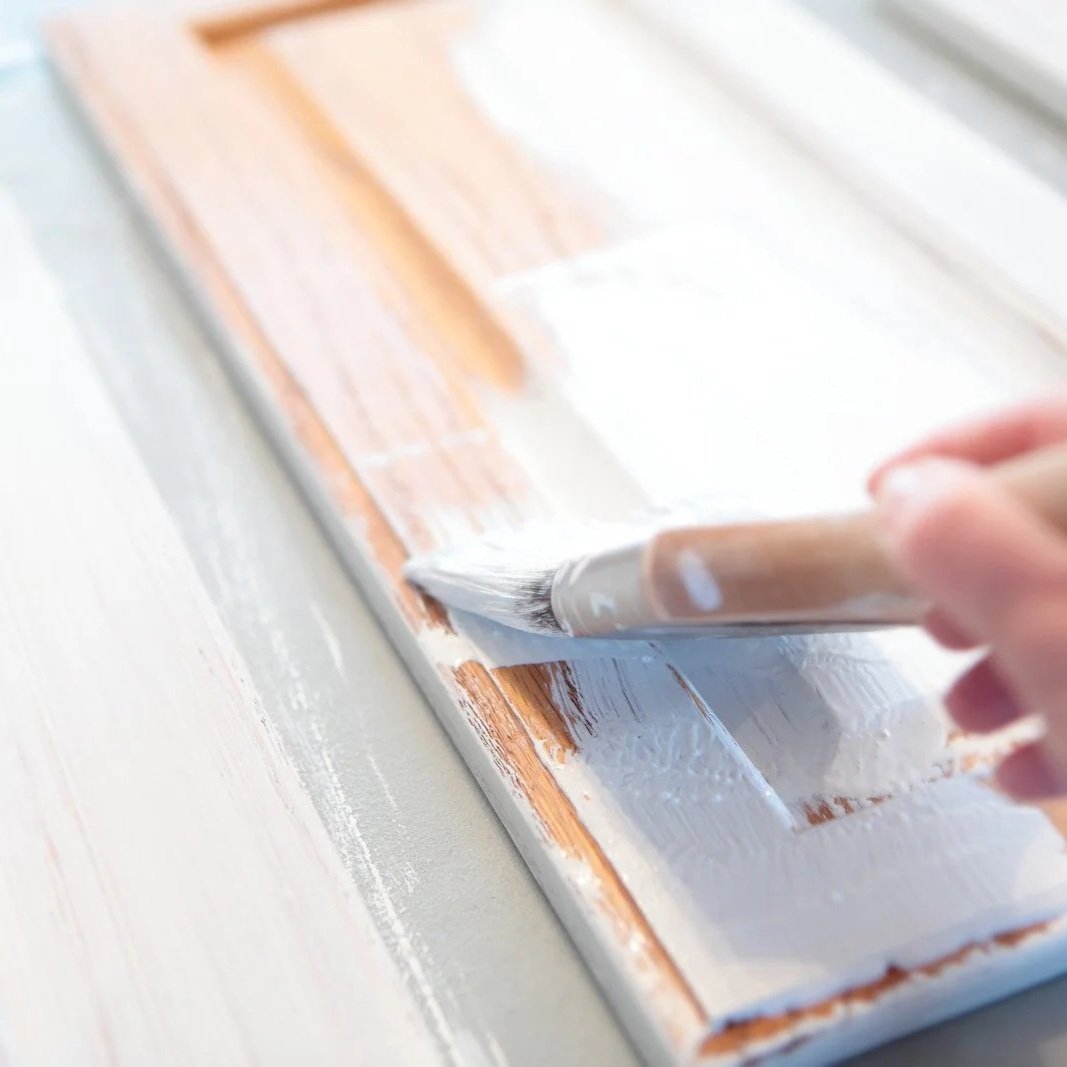
Professional cabinet painting begins with careful priming, creating smooth adhesion and long-lasting durability for beautifully refreshed kitchen cabinetry surfaces.
Kitchen cabinets tend to carry the weight of a home’s personality. They’re the first thing people see when they walk into the kitchen and, often, the last thing homeowners want to deal with when thinking about renovations. But nothing wakes up a tired kitchen faster than custom cabinet painting—professionally done, of course. No masking tape disasters, no drip lines in weird corners, just beautifully finished cabinets with personality and polish.
Professionals step into kitchens ready to breathe new life into them, one cabinet at a time, armed with paint sprayers, sanders, and the kind of patience usually reserved for solving thousand-piece puzzles.
Cabinet Color Can Change the Mood
Cabinets dominate wall space in most kitchens, which means their color plays a starring role in setting the overall tone. Dated honey oak screams 1995. Faded white might look tired instead of timeless. Custom cabinet painting changes the entire emotional feel of a kitchen without ripping anything out.
Homeowners often don’t realize how dramatically a color shift from dull beige to crisp navy or soft sage can influence lighting, mood, and even appetite. Suddenly, the same kitchen feels brighter, cleaner, and more inviting—like someone turned on a filter in real life.
Painting cabinets doesn’t just cover wood. It changes the rhythm of a space.
Preparation Makes the Magic Possible
Anyone who’s painted cabinets the wrong way knows the heartbreak of peeling paint six months later. Professional cabinet painters don’t let that happen because preparation is everything. It’s not glamorous, but it’s the part that separates a solid finish from a frustrating redo.
Doors come off. Hardware comes off. Every surface gets a thorough cleaning—none of that quick once-over with a paper towel. Years of kitchen grease, fingerprints, and the mysterious film that builds up on stovetops are scrubbed away with degreasers designed to cut through the stubborn stuff.
Once the surface is squeaky clean, sanding begins. Light scuff-sanding opens the pores of the material and gives the primer something to hold onto. Pros sand evenly, carefully, and with tools designed to keep dust from taking over the whole kitchen.
Priming Means Business
The right primer sets the tone for everything that follows. It has to bond like a friendship forged in a group project. Whether the cabinets are solid wood, MDF, or laminate, pros pick primers that play well with both the material below and the paint on top.
Professionals don’t skip primer. Ever. Primer seals stains, blocks tannins, and provides a smooth, even base for the topcoat to adhere to. It’s the difference between paint that sticks and paint that peels off in strips.
Cabinet doors, frames, and drawer fronts all receive the same level of care, and multiple thin coats of primer create a perfect surface for color.
The Art of Spraying Versus Brushing
Most people can spot a brushed cabinet a mile away. Brush marks have a habit of catching light in all the wrong ways. Professionals bring out the spray guns for that factory-finish look. Sprayers allow paint to go on evenly, without streaks or brush hairs making surprise appearances.
The finish ends up silky smooth—no texture, no drag, just a beautiful uniform coat that looks like it was always part of the cabinet. Painters know how to adjust pressure, angle, and distance so the paint lies down like a dream.
Not every surface gets sprayed, though. Sometimes, tight spots or tricky angles call for the human touch. That’s when pros use high-end brushes and rollers meant specifically for cabinetry. No dollar-store specials here.
Custom Finishes Make a Kitchen Feel Personal
There’s more to custom cabinet painting than picking a color and calling it a day. Sheen matters. Some kitchens call for a soft matte finish that absorbs light and adds warmth. Others benefit from a satin or semi-gloss look that reflects light and adds energy.
Professionals help homeowners choose finishes based on lifestyle, lighting, and aesthetic preferences. Families with sticky fingers and spaghetti sauce incidents may want something easier to wipe clean. More formal kitchens might lean toward a subtle eggshell or soft satin.
Beyond sheen, glazing, and distressing techniques add dimension. A light glaze over painted cabinets can make details pop, while strategic distressing adds vintage character. When done professionally, these touches don’t look worn—they look intentional.
Hardware Reinvents the Look
Paint may take the spotlight, but hardware is the supporting actor that steals scenes. After cabinets are painted and cured, professionals reinstall hardware or help homeowners upgrade to new knobs and pulls that match the updated style.
Sometimes a simple change from brass to brushed nickel is enough to modernize the entire space. Other times, clients fall for bold matte black or vintage glass options. Whatever the choice, pros make sure holes are drilled cleanly and placed precisely—no guesswork or accidental Swiss cheese doors.
Reinstallation Takes Patience and Precision
Painting cabinets is only half the battle. Once everything is dry and cured, professionals return to reinstall everything with military-grade precision. Doors are aligned. Drawers are checked. Hinges and handles go back without crooked placement or stripped screws.
Reinstallation isn’t a rush job. It’s where the finish line becomes visible. Every screw turned straight, every drawer front aligned to the millimeter. When it’s done right, the kitchen looks fresh, professional, and ready for its close-up.
Durability Depends on Quality Materials
There’s a big difference between paint meant for drywall and paint designed to withstand a kitchen. Professionals use cabinet-grade paints formulated for high-traffic, high-contact areas. They resist chips, stains, and the kind of wear that comes from opening and closing cabinet doors a hundred times a day.
Those materials cost more, but they deliver a finish that holds up for years—not just months. Pairing quality paint with the right application techniques creates surfaces that won’t crack under pressure—literally.
Homeowners Can Skip the Chaos
One of the most underrated perks of hiring cabinet painting pros? Peace of mind. No mess in the dining room, no doors leaning against walls for weeks, and no surprise smudges on the cat. Professionals contain the mess, manage the timeline, and deliver results that don’t require excuses when guests come over.
They also minimize kitchen downtime. Most professional jobs wrap up within a few days to a week, depending on the scope. That means less time eating takeout on the couch and more time enjoying the heart of the home.
Color Brings Out Confidence
Watching a kitchen transform with fresh cabinet paint is like seeing someone get a new haircut and suddenly walk with more swagger. Color makes a bold statement. It tells guests, “Yes, this kitchen knows what it’s doing.”
Professionals help clients pick colors that complement countertops, flooring, and backsplashes. Sometimes it’s a bold navy paired with brass accents. Other times it’s a soothing gray that brings out the veining in marble. Even white—when done right—feels like a custom choice.
Paint isn’t just paint in a kitchen. It’s personality.
Every Kitchen Deserves Its Moment
A freshly painted cabinet set doesn’t need a new layout or a full remodel to feel high-end. It just needs thoughtful prep, precise execution, and a little bit of color magic. Professional painters bring years of experience into every job, helping homeowners fall in love with their kitchens all over again—no sledgehammers required.
Cabinet painting might sound simple, but when done professionally, it’s one of the most transformative services a kitchen can undergo. All it takes is the right team, a plan, and a willingness to rethink what color can do for a room.
