Why Exterior Paint Fades Faster on the Sunny Side of a House
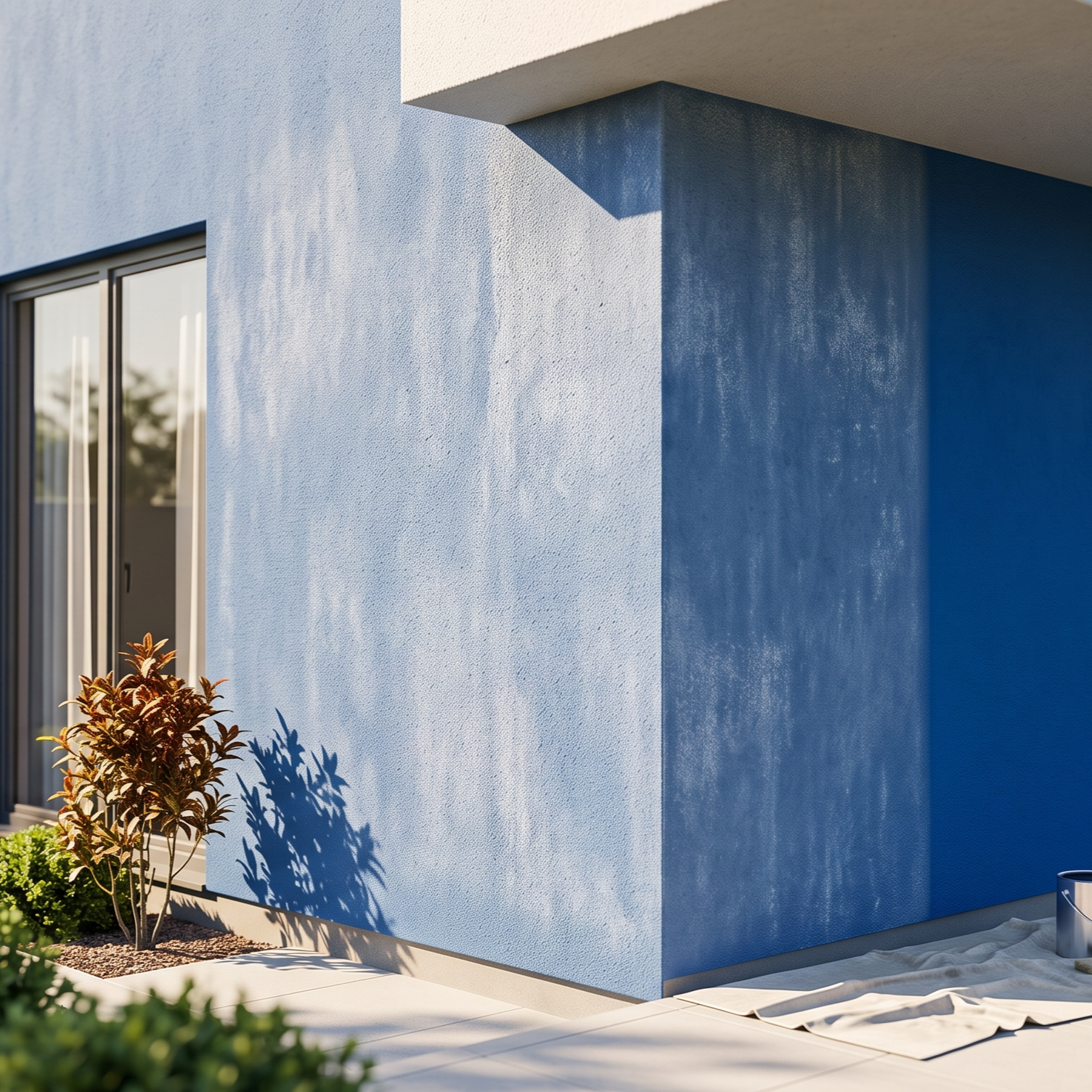
Quick Answer: The sunny side of a house — usually the south and west faces — fades faster because it gets far more ultraviolet (UV) light. UV breaks down both the pigment that gives paint its color and the binder that holds the paint together, so sun-facing walls lose color and chalk while shaded walls stay vibrant. Heat and Florida's intense sun speed it up. Quality UV-resistant paint, lighter colors, and proper prep are what make exterior paint last longest on those exposed walls.
It's a common and slightly maddening sight: one side of the house still looks freshly painted while another has gone dull and faded, even though they were painted the same day with the same paint. The difference is sunlight. The sun-facing walls take a beating that the shaded ones don't, and the culprit is ultraviolet light. Understanding how UV affects paint explains both why it happens and how to fight it on the walls that need it most.
What Actually Fades the Paint
Sunlight carries ultraviolet (UV) radiation, and UV is hard on paint in two ways. First, it breaks down the pigments — the particles that give paint its color — causing the color to lighten and fade over time. Second, and just as important, it degrades the binder, the resin that holds the paint film together and bonds it to the surface. As the binder breaks down, the surface can start to "chalk," developing a powdery residue, and the paint loses its protective integrity. So fading isn't just cosmetic; it's a sign the paint film itself is breaking down under the sun.
The walls that get the most direct, prolonged sun simply receive far more of this UV exposure, so they age faster than walls in shade.
Why the South and West Sides Take the Worst of It
Not all sides of a house get equal sun. In the northern hemisphere, the south-facing walls get strong sun for much of the day, and the west-facing walls catch the intense afternoon sun, which combines with the day's accumulated heat. Those are usually the faces that fade first and worst. North-facing walls get the least direct sun and tend to hold their color longest, which is why the contrast between sides can become so obvious over a few years.
Heat compounds it. The hot afternoon sun on a west wall doesn't just deliver UV — it bakes the surface, and that heat, along with big temperature swings, stresses the paint film and accelerates the breakdown. In a high-sun, high-heat climate like Florida's, this effect is especially pronounced, and the sunny sides can fade noticeably faster than you'd expect.
| Wall exposure | Sun and fading |
|---|---|
| South-facing | Strong sun much of the day; fades faster |
| West-facing | Intense afternoon sun plus heat; fades fastest |
| East-facing | Morning sun only; moderate fading |
| North-facing | Least direct sun; holds color longest |
Other Things That Affect How Fast It Fades
UV exposure is the main driver, but a few other factors decide how well paint holds up on the sunny side:
- Paint quality. Higher-quality exterior paints contain more and better UV-resistant pigments and binders, so they resist fading far longer than cheap paint. This is the single biggest thing you control.
- Color choice. Some colors fade faster than others — deep, saturated colors and certain reds and bright tones tend to show fading sooner, while many lighter colors hold up better and also stay cooler in the sun.
- Surface prep and application. Paint that's applied over a clean, properly primed surface bonds better and lasts longer; poor prep shortens the life of even good paint.
- Sheen. The right sheen for the surface and exposure can affect durability and how the fading shows.
How to Make It Last on the Sunny Walls
Since UV is the enemy, the defense is paint built to resist it and applied correctly. Use a quality exterior paint formulated for UV and fade resistance — it costs more up front but lasts considerably longer on exposed walls, which is where cheap paint fails first. Lean toward lighter, more stable colors on the sunniest faces if you want the longest-lasting result, since they fade less and run cooler. And don't skip prep: a clean, sound, properly primed surface is what lets the paint adhere and protect for its full lifespan. It's also worth accepting that the sunny sides may simply need repainting sooner than the shaded ones, and planning for that rather than being surprised by the uneven wear. A good painter will often account for this from the start — recommending the most durable products and colors for the sun-facing walls specifically, so the whole house ages more evenly and stays looking its best for longer.
Frequently Asked Questions
Because it gets more sun. The south and west sides receive far more direct UV light — the west also gets intense afternoon heat — so they fade faster than the shaded north side. UV breaks down both the paint's pigment and its binder, so the sun-facing walls lose color, and the paint film degrades while the shaded walls stay vibrant. It's the single biggest reason for uneven fading.
Yes, significantly. Ultraviolet light degrades the pigments that give paint its color, causing fading, and it breaks down the binder that holds the paint film together, which leads to chalking and loss of protection. So sun damage isn't just a faded look — it's the actual breakdown of the paint. That's why UV resistance is one of the most important qualities in an exterior paint.
In general, lighter and more stable colors hold up better, while deep, saturated colors and certain bright tones and reds tend to fade sooner. Lighter colors also stay cooler in the sun, which reduces heat stress on the paint film. If long-lasting color on a very sunny wall is the priority, leaning toward lighter, fade-resistant colors helps — though paint quality matters even more than color choice.
Use a high-quality exterior paint formulated for UV and fade resistance, choose lighter and more stable colors on the sunniest walls, and make sure the surface is properly cleaned and primed before painting. Good prep and quality paint are what let the film survive prolonged sun. Even so, expect the sun-facing walls to need repainting somewhat sooner than the shaded sides.
Not entirely. Fading is a visible sign that UV is breaking down the paint, including the binder that protects the surface underneath. As the film degrades and chalks, it loses some of its protective function, leaving the surface more exposed. So while the faded look is the obvious issue, it's also a signal that the paint is wearing out and the wall will eventually need recoating to stay protected.
Fight the Sun Where It Hits Hardest
The sunny side of a house fades faster for a simple reason: it absorbs far more UV, which breaks down both the color and the paint film itself, and heat makes it worse. The south and west walls take the brunt, especially in a high-sun climate. You can't move the sun, but you can fight it — quality UV-resistant paint, lighter colors on the most exposed faces, and solid prep make the biggest difference, and planning for the sunny sides to need attention first keeps the whole house looking its best.
Sunny side of your house already looking faded? — Get quality, UV-resistant exterior paint applied to last. Mark's Painting serves Tampa Bay and surrounding areas. Licensed & Insured. Call (813) 831-5433.
